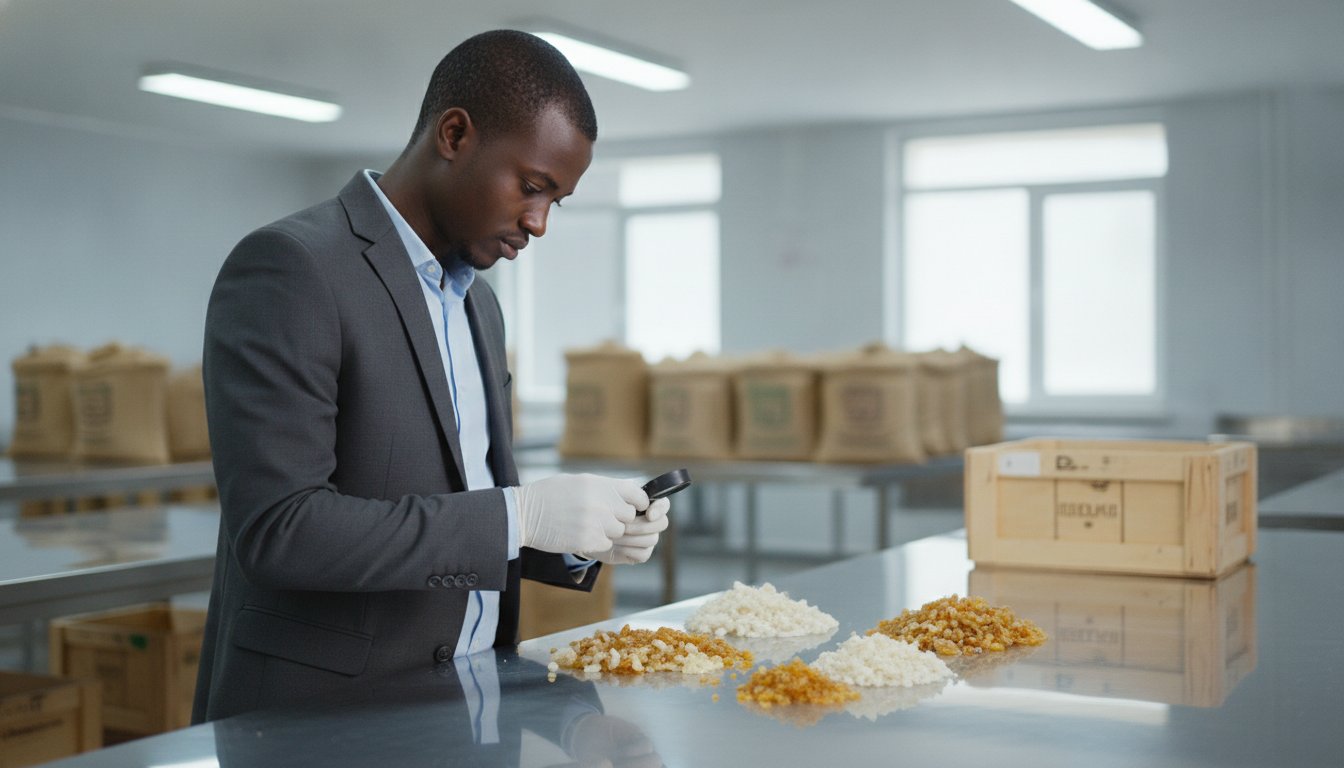
Scientific studies suggest that global frankincense production could plummet by as much as 50% within the next two decades due to ecological stress and over-harvesting. For businesses that rely on a steady aromatic resin wholesale supply, these statistics represent a significant threat to long-term operational stability. You've likely already experienced the frustration of inconsistent batch quality, opaque supply chains, or the sudden logistical delays that often plague shipments from remote regions like the Horn of Africa.
It's time to move beyond the uncertainty of unreliable middlemen and unverified claims. This guide will help you master the complexities of bulk resin procurement, from identifying botanical purity to establishing direct-from-source relationships. We'll examine how recent regulatory shifts, such as the CITES Appendix II listing for certain species and new EU monitoring standards, affect your sourcing strategy. You'll learn to implement professional grading systems and secure a transparent, ethical supply line that respects both ancient traditions and modern sustainability requirements. By understanding the nuances of the current market, you can ensure your inventory remains pure, legal, and consistently high in quality.
Key Takeaways
- Learn to distinguish between retail-ready incense and raw oleoresins to align your procurement strategy with specific manufacturing requirements.
- Understand how the unique terroir of Somaliland and traditional harvesting techniques directly influence the grade and chemical profile of the resin.
- Master the visual and olfactory markers used to evaluate aromatic resin wholesale quality, ranging from premium Hojari-style tears to functional siftings.
- Identify the specific resin characteristics required for specialized professional applications, such as high oil content for essential oil distillation.
- Navigate the practicalities of scaling your supply chain, including setting appropriate Minimum Order Quantities and ensuring ethical stewardship.
The Fundamentals of Aromatic Resin Wholesale in 2026
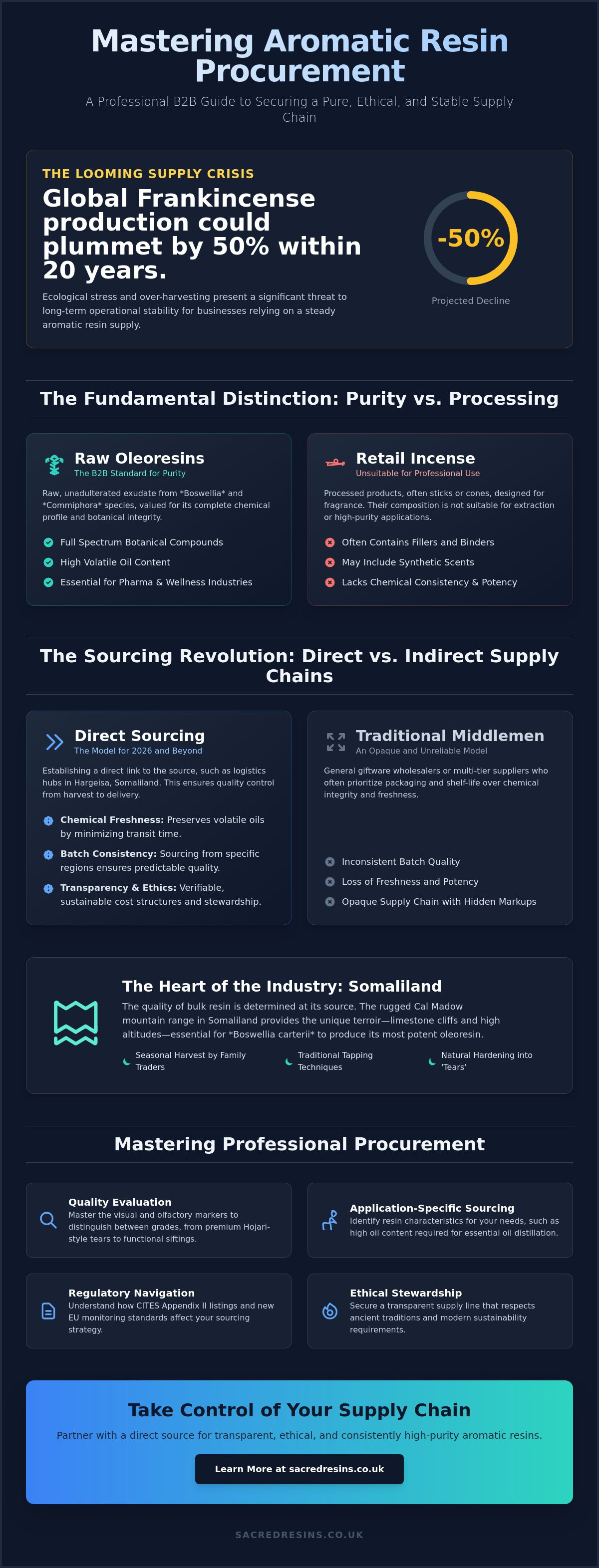
The 2026 market for aromatic resins has matured beyond simple fragrance. Professional buyers now approach procurement with a scientific lens, recognizing that these materials are complex oleoresins harvested from the Boswellia and Commiphora genera. Unlike retail-ready incense sticks that often contain fillers and synthetic binders, aromatic resin wholesale focuses on the raw, unadulterated exudate. This distinction is vital for industries where the chemical profile of the resin directly impacts the efficacy of the final product, whether that's a pharmaceutical extract or a high-purity essential oil. Today's demand is driven by a sophisticated wellness sector that values botanical integrity over artificial scents.
Defining Raw Aromatic Resins in a B2B Context
In a professional manufacturing environment, understanding The Fundamentals of Aromatic Resin begins with its three-part composition. These natural substances consist of volatile oils, water-soluble gums, and alcohol-soluble resins. For a B2B buyer, the specific ratio of these components determines the material's industrial value. We primarily focus on core species like Boswellia carterii, Boswellia sacra, and Commiphora myrrha. While an essential oil is a volatile extract and a tincture is a solvent-based solution, the raw resin contains the full spectrum of botanical compounds in their natural state. This raw form provides the necessary versatility for diverse applications that refined extracts cannot always match.
Why Direct Sourcing is Replacing Traditional Middlemen
The traditional model of purchasing through general giftware wholesalers is rapidly declining. These intermediaries often prioritize shelf-stable packaging over chemical integrity. This leads to batches that lack consistency and freshness. In the 2026 landscape, professional buyers require a direct link to the source. Establishing a supply line that connects directly to logistics hubs in Hargeisa ensures that the resin hasn't sat in humid transition warehouses for years. Direct sourcing offers several advantages for large-scale operations:
- Chemical Freshness: Resins maintain their volatile oil content when moved quickly from harvest to the buyer.
- Batch Consistency: Sourcing from specific regions in Somaliland allows for predictable chemical markers across multiple orders.
- Logistical Transparency: Eliminating multi-tier markups provides a sustainable cost structure for manufacturers.
Wellness and pharmaceutical sectors are driving this shift. These industries require transparency to build consumer trust. They need to know exactly where their ingredients originate and how they were handled during the sorting process. By moving away from generalist suppliers, companies can verify the ethical stewardship of their aromatic resin wholesale supply chain while securing the high-purity materials necessary for modern formulations. This grounded approach to sourcing builds a foundation of reliability that is essential for long-term business growth in a specialized market.
Understanding the Supply Chain: From Somaliland to Global Markets
The journey of a high-grade oleoresin begins in the rugged landscapes of Somaliland. This region isn't just a source; it's the botanical heart of the industry. The quality of a bulk order is determined long before it reaches a warehouse. It's defined by the specific environmental stressors of the Horn of Africa. For a professional buyer, understanding the movement of aromatic resin wholesale from these remote highlands to the global market is the only way to guarantee both purity and ethical integrity. It requires a move away from opaque trade routes toward a model of radical transparency.
The Role of Somaliland in Global Frankincense Production
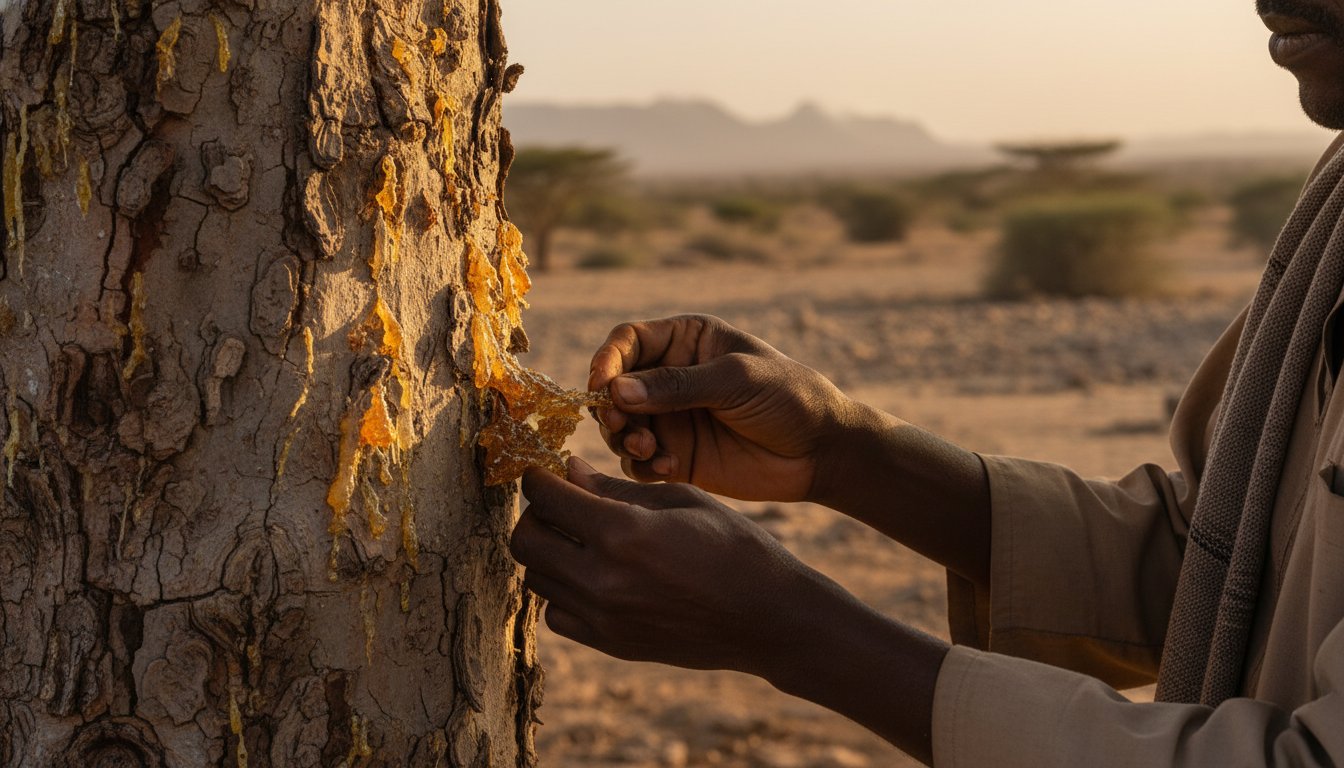
The Cal Madow mountain range is the primary engine of this supply chain. Its limestone cliffs and high altitudes provide the unique terroir required for Boswellia carterii to produce its most potent resin. Harvesting is a seasonal craft passed down through family traders who understand the natural cycles of the trees. They use traditional tools to make shallow incisions, allowing the sap to bleed and harden into "tears" over several weeks. This slow formation is critical. Rapid or excessive tapping compromises the tree's health and the resin's chemical complexity. Maintaining purity and traceability in the frankincense supply chain is essential. It ensures that the material you receive hasn't been adulterated with inferior species or synthetic extenders during the initial collection phase.
Logistics and Preservation During International Transit
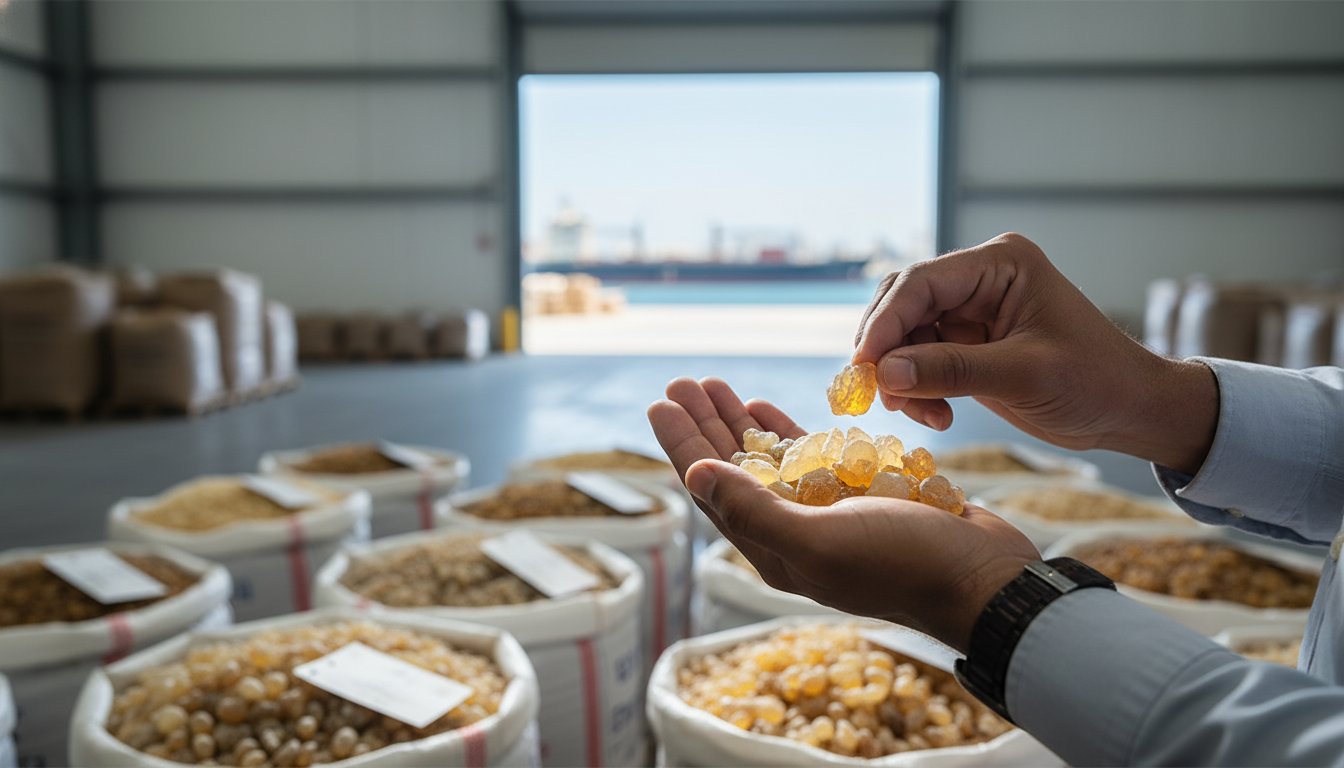
Once harvested, the raw resin travels to sorting hubs in Hargeisa. Here, local experts grade the tears by size, color, and scent profile. This stage is where the professional standards of aromatic resin wholesale are truly established. Proper handling at this juncture prevents post-harvest degradation. If resin is stored in high-humidity environments or packed too tightly, it risks "clumping," where the individual tears fuse into a solid mass. This makes industrial processing difficult and can lead to the loss of precious volatile oils.
Logistics specialists utilize breathable packaging and climate-controlled shipping containers to preserve the aromatic profile during the long transit from the port of Berbera. Navigating the complex export documentation and international trade regulations of the region requires deep local knowledge. This expertise protects your business from the risks of forced labor or unsustainable harvesting practices that have recently led to significant import bans in Western markets. By choosing to source premium resins directly through verified channels, you secure a supply line that is as resilient as it is ethical. This direct connection ensures that your inventory remains consistent, legal, and of the highest possible grade.
Evaluating Quality: Purity Standards for Bulk Aromatic Resins
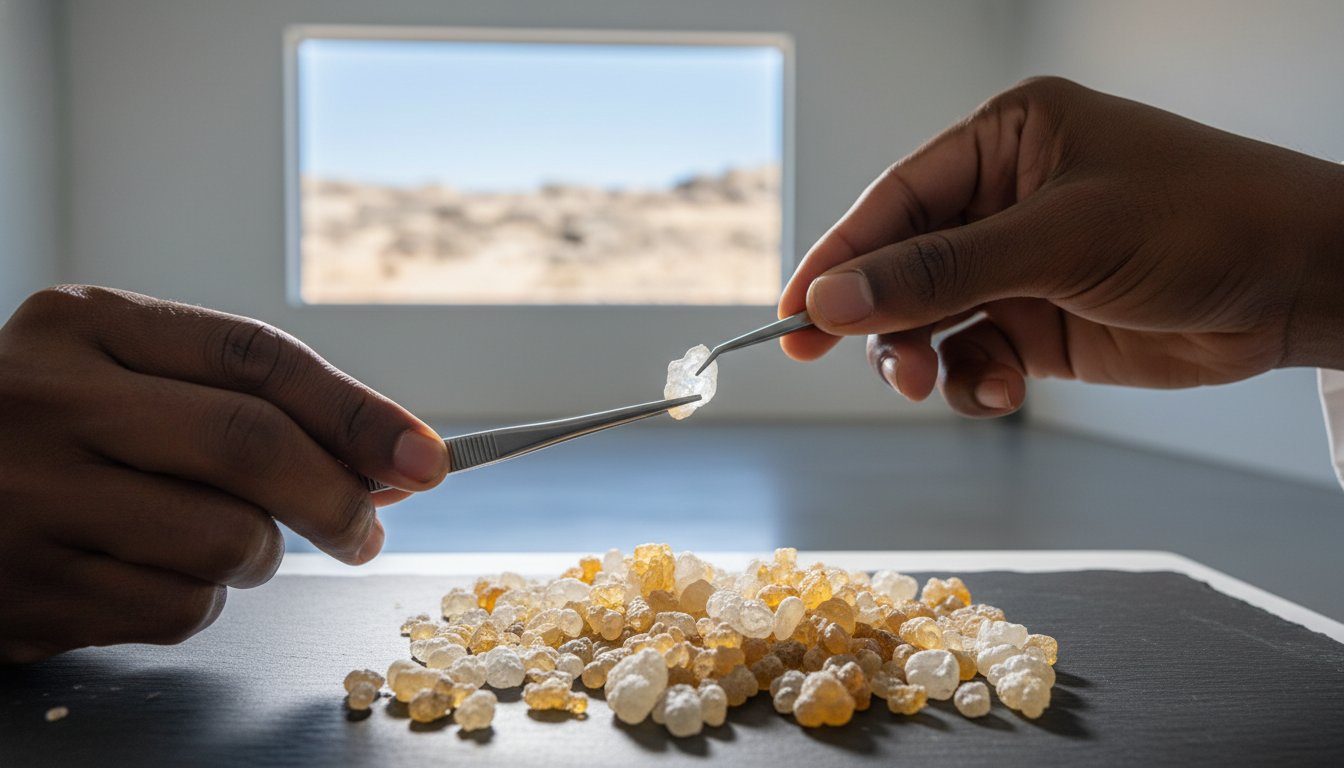
Receiving an aromatic resin wholesale shipment requires a systematic approach to quality control that goes beyond a simple visual check. When dealing with multi-kilogram quantities, the margin for error is slim. A single batch of adulterated or low-grade material can compromise an entire production run of essential oils or liturgical blends. Professional procurement begins with a sensory evaluation, focusing on the resin's fracture, translucency, and the complexity of its aromatic profile. High-purity resins should feel dry and brittle to the touch, not gummy or soft, which often indicates excessive moisture or improper storage during transit.
The grading hierarchy is primarily determined by the physical form and the concentration of volatile compounds. While the industry often references "Hojari" as a gold standard for frankincense, this term describes a specific quality of large, clean tears. For bulk buyers, understanding these distinctions is vital for cost-efficiency. Bark content is a significant factor in this evaluation. While some bark is inevitable in wild-harvested resins, a high percentage acts as a non-aromatic filler. This increases the weight you pay for while simultaneously decreasing the final yield during distillation or extraction. Professional buyers typically look for a bark content of less than 5% in premium grades.
Identifying high-quality myrrh requires a specific checklist to distinguish it from inferior, non-aromatic gums. True Commiphora myrrha should exhibit the following traits:
- Fracture: When broken, the interior should appear dark and lustrous, often with small white streaks.
- Scent: The aroma must be warm, spicy, and distinctly bitter, without the "sweet" or "flat" notes of common tree gums.
- Taste: A small piece should be intensely bitter and slightly acrid, a primary marker of the resin's medicinal compounds.
Distinguishing Between High-Grade Tears and Siftings
In the aromatic resin wholesale market, "tears" refer to the large, droplet-shaped pieces that form naturally on the tree. These are the preferred choice for retail packaging and ritual use due to their aesthetic appeal and slow burn rate. Siftings, or "pea-size" pieces, are the smaller fragments collected during the sorting process. While they lack the visual prestige of large tears, siftings are often more cost-effective for industrial manufacturers. They offer a higher surface area for solvent extraction and distillation without sacrificing the chemical integrity of the oleoresin. Color also serves as a guide; green hues in frankincense typically indicate a higher oil content, while white or amber tears represent different harvest timings and oxidative states.
Identifying Adulteration in Wholesale Shipments
Adulteration remains a challenge in large-scale markets, where sand, stones, or cheaper gums like Acacia are used to pad shipment weight. You can verify purity using two simple field tests. The "burn test" involves placing a piece of resin on a charcoal disk; pure resin will melt and bubble, releasing a clean aroma, while fillers will char and smell like burning wood or plastic. The "water solubility test" is particularly effective for myrrh. True myrrh contains natural gums that create a milky, white emulsion when rubbed with water. If the material remains transparent or fails to emulsify, it's likely a non-aromatic substitute. For large batches, always require a Certificate of Analysis (COA) to confirm the specific gravity and volatile oil percentages before finalizing the transaction.
Strategic Applications for Bulk Frankincense and Myrrh
The utility of bulk oleoresins extends far beyond the traditional retail gift shop. For manufacturers and industrial buyers, aromatic resin wholesale isn't just a purchase; it's a strategic raw material acquisition that fuels the growing global market, which is projected to expand at a CAGR of 6.3% through 2034. For industries requiring a stable supply of high-purity materials, your sourcing strategy must align with the specific chemical and functional needs of your end product. Whether you're producing pharmaceutical-grade extracts or liturgical blends, the application dictates the grade.
Requirements for Essential Oil Distillation and Aromatherapy
Distillers prioritize resin freshness above almost all other factors. They require materials with high concentrations of alpha-pinene and limonene, as these terpenes define the therapeutic and aromatic profile of the finished oil. When resins age, these volatile compounds evaporate, leading to a significantly lower yield during the steam distillation process. Professional distillers often look for "green" or "teary" grades that haven't been subjected to excessive heat or prolonged storage. If you need to sourcing premium frankincense resin for manufacturing, ensure your supplier can verify the harvest date to guarantee maximum oil content and aromatic vibrancy.
Liturgical and Ritual Use: Sourcing for Large-Scale Institutions
Religious institutions, including cathedrals and monasteries, represent a massive and consistent market for bulk resins. These organizations require a "pure frankincense" standard that is free from synthetic fragrances or chemical binders. Consistency is the primary challenge in this sector. A monastery producing a signature incense blend needs every shipment of aromatic resin wholesale to match the previous batch in burn rate and scent profile. Managing these large-volume supply chains requires a partner who can provide graded tears that burn cleanly on charcoal without the acrid smoke associated with lower-grade siftings or bark-heavy materials.
Beyond aromatherapy and ritual, high-end cosmetics and natural perfumery are driving new demand. In skincare, the anti-inflammatory properties of boswellic acids found in frankincense are increasingly utilized in premium anti-aging formulations. In natural perfumery, these resins serve as vital fixatives. They possess a unique ability to slow the evaporation of lighter top notes, giving a fragrance longevity and depth. This fixative property is essential for brands moving away from synthetic phthalates and looking for botanical alternatives that maintain a sophisticated scent profile over time.
If you're ready to elevate your production with materials that meet these rigorous professional standards, you can secure your bulk resin supply through our direct-from-source channels. This ensures your manufacturing process remains efficient and your final products remain consistently superior.
Navigating Wholesale Procurement: Scaling Your Resin Supply in 2026
Establishing a scalable supply chain for aromatic resin wholesale in 2026 requires more than just capital. It demands a strategic alignment with the natural cycles of the Horn of Africa. As your business grows, moving from small, ad-hoc purchases to structured Minimum Order Quantities (MOQs) becomes necessary to lock in pricing and ensure batch consistency. These MOQs shouldn't be viewed as hurdles. Instead, they're the foundation of a predictable inventory that protects you from the volatility of the global market. By committing to larger volumes, you enable your supply partner to reserve the highest quality harvests before they enter the general market.
Ethical Sourcing and Sustainability as a Business Advantage
The world's supply of frankincense is under serious threat. Scientific studies suggest production could drop by 50% within two decades if current harvesting practices continue. This ecological reality makes ethical stewardship a practical business necessity rather than a mere marketing slogan. By supporting sustainable tapping methods, you're directly investing in the longevity of your own supply chain. Fair-trade practices aren't just about the brand story; they're about ensuring that the family traders in Somaliland have the financial stability to manage the Boswellia and Commiphora trees responsibly. In 2026, Environmental, Social, and Governance (ESG) reporting is no longer optional for major importers. Transparent sourcing provides the verifiable data needed to navigate the increasing regulatory scrutiny from the EU and other global bodies, ensuring your business remains compliant as monitoring standards tighten.
Why Sacred Resins is the Direct Link to Premium Supply
Transitioning from a regional distributor to a direct-source partner is the final step in mastering your procurement. Sacred Resins serves as that essential bridge, maintaining active operations in Hargeisa and fostering direct relationships with the harvesters themselves. This proximity eliminates the "blind spots" inherent in traditional multi-tier supply chains. You gain the benefit of local sorting expertise combined with a professional, global logistics network that understands the nuances of aromatic resin wholesale. We act as your knowledgeable guide, navigating the botanical complexities of the product and the logistical needs of a professional buyer.
The process of securing a high-purity supply is methodical and transparent. We recommend requesting samples to verify the quality of our current harvests against your specific manufacturing requirements. Once purity is established, our team will assist you in opening a wholesale account tailored to your projected volume and seasonal needs. This steady approach ensures that as you scale, your commitment to quality and integrity remains uncompromised. By establishing this direct link, you secure a stable and dependable supply line in an increasingly specialized global market.
Securing a Resilient Future for Your Resin Procurement
Mastering bulk procurement requires a shift from transactional buying to long-term strategic partnerships. You now understand how to verify botanical purity through rigorous sensory tests and how to navigate the logistical complexities inherent to the Horn of Africa. By prioritizing direct-from-source supply lines and ethical harvesting, you protect your operations from the ecological and regulatory risks currently facing the global market. These professional standards ensure your finished products maintain the integrity and chemical potency your clients expect.
Sacred Resins acts as your authoritative bridge to this specialized industry. Our operations are based directly in Hargeisa, Somaliland, ensuring every batch of aromatic resin wholesale undergoes strict purity testing and grading before export. We remain committed to ethical, fair-trade harvesting practices that respect both the heritage of the trees and the livelihoods of the communities that tend them. Establish your direct supply chain with Sacred Resins today to secure a consistent, high-purity inventory for your manufacturing needs. We look forward to supporting your business as it grows with confidence and logistical stability.
Frequently Asked Questions
What is the typical shelf life of wholesale aromatic resin?
Typical shelf life is three to five years when stored in a cool, dark, and dry environment. While the resin doesn't expire in the traditional sense, its volatile oil content gradually diminishes through evaporation over time. For manufacturers, using fresher resin ensures a higher yield during distillation. Always store bulk quantities in airtight, non-reactive containers to preserve the aromatic profile and prevent the tears from hardening or losing their potency.
How is the price of wholesale frankincense determined in 2026?
Wholesale pricing in 2026 is influenced by ecological pressures, regional stability, and international monitoring standards. As of early 2026, increased scrutiny on Boswellia species has added administrative layers to the global supply chain. Factors such as seasonal harvest yields in Somaliland and the logistical costs of secure transit from Hargeisa to global ports also play a significant role. Professional buyers should expect prices to reflect the scarcity of high-purity, ethically harvested material.
Can I buy myrrh resin in bulk directly from Africa?
You can source myrrh resin in bulk directly through established partners who maintain local operations in the Horn of Africa. Sacred Resins provides this direct link, managing the collection and sorting processes in Hargeisa. This model eliminates the risks associated with unverified middlemen. It ensures that your aromatic resin wholesale order is handled with professional care from the moment it leaves the harvester until it reaches your facility.
What is the difference between Boswellia carterii and Boswellia sacra for wholesale buyers?
Boswellia carterii is the primary species sourced from Somaliland, known for its robust, classic fragrance and high resin yield. Boswellia sacra, often associated with Omani Hojari grades, typically commands a premium due to its higher alpha-pinene content and distinct citrus notes. For wholesale buyers, carterii offers a reliable and versatile base for industrial applications; sacra is often reserved for high-end aromatherapy and luxury fragrance formulations that require specific chemical markers.
How do I ensure my bulk resin order isn’t clumping during transit?
Preventing clumping requires maintaining a stable temperature and using breathable, moisture-resistant packaging during transit. Resin tears fuse together when exposed to high heat or excessive pressure. We utilize reinforced, layered bags and climate-controlled shipping containers to mitigate these risks. It's also vital to avoid stacking heavy pallets directly on top of resin bags; the weight can compress the tears into a solid mass that is difficult to process industrially.
Are there specific import regulations for raw resins in the UK or EU?
Yes, as of January 19, 2026, Boswellia species are listed in Annex D of the EU Wildlife Trade Regulations for monitoring. While this doesn't currently require a full permit system like CITES Appendix II, it necessitates accurate documentation and origin verification. UK and EU importers must also comply with standard phytosanitary regulations to ensure the raw botanical material is free from pests and contaminants before it enters the local market.
What are the main indicators of adulterated frankincense in bulk batches?
The most common indicators of adulterated batches include high bark content, the presence of non-aromatic tree gums, and inorganic fillers like sand or stones. You can identify these through a simple burn test; pure resin will melt completely, while adulterants often char or produce an acrid, synthetic smell. In an aromatic resin wholesale context, a lack of translucency or a flat scent profile often suggests that the batch has been diluted with inferior materials.
Does Sacred Resins provide certificates of origin for wholesale orders?
Sacred Resins provides comprehensive documentation, including certificates of origin, for all bulk orders. This transparency is a core part of our commitment to ethical stewardship. These documents verify that the resin was legally harvested in Somaliland and follows fair-trade protocols. For professional buyers, this paperwork is essential for ESG reporting and for building a brand story centered on integrity and traceable, direct-from-source supply chains.